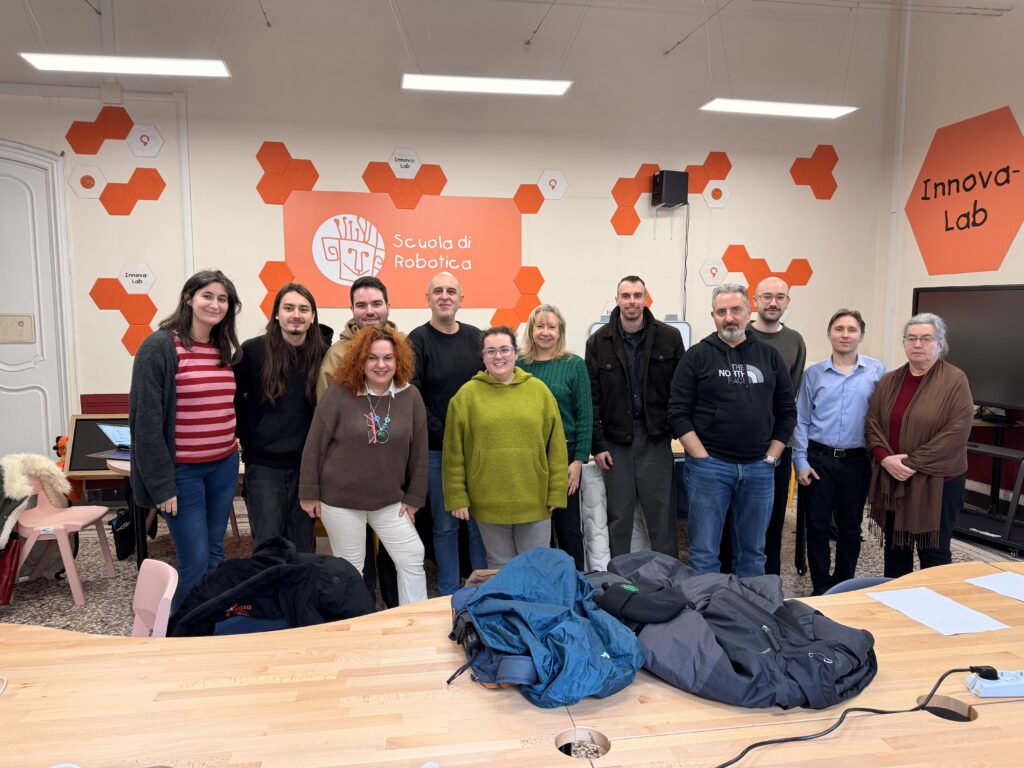
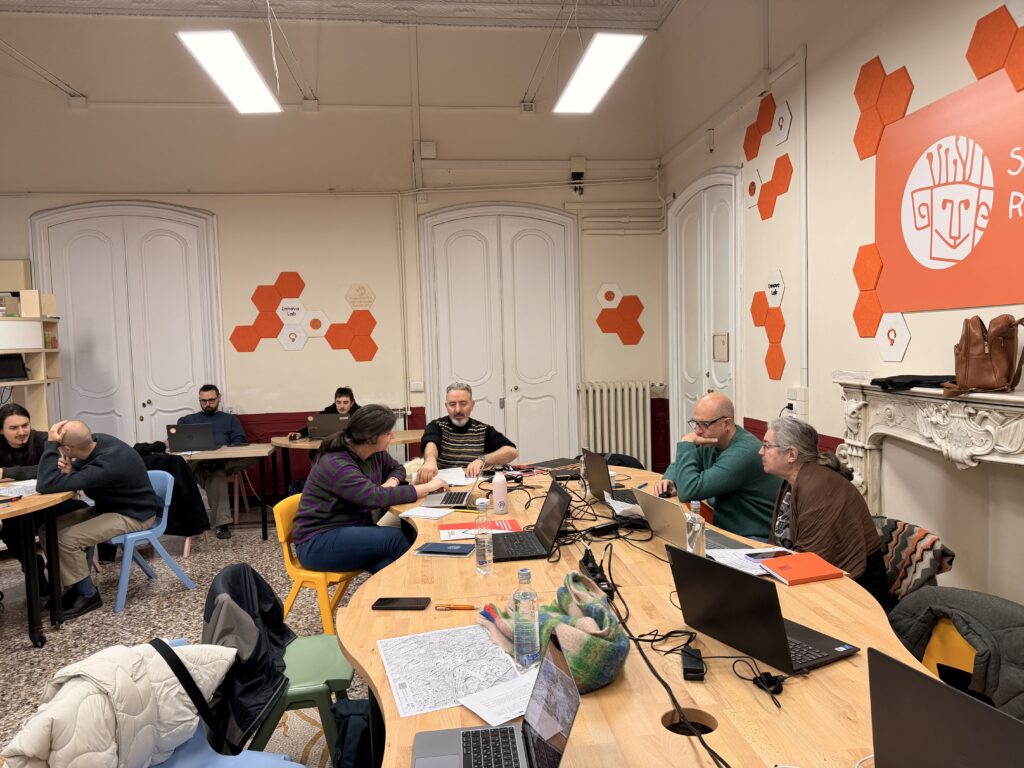
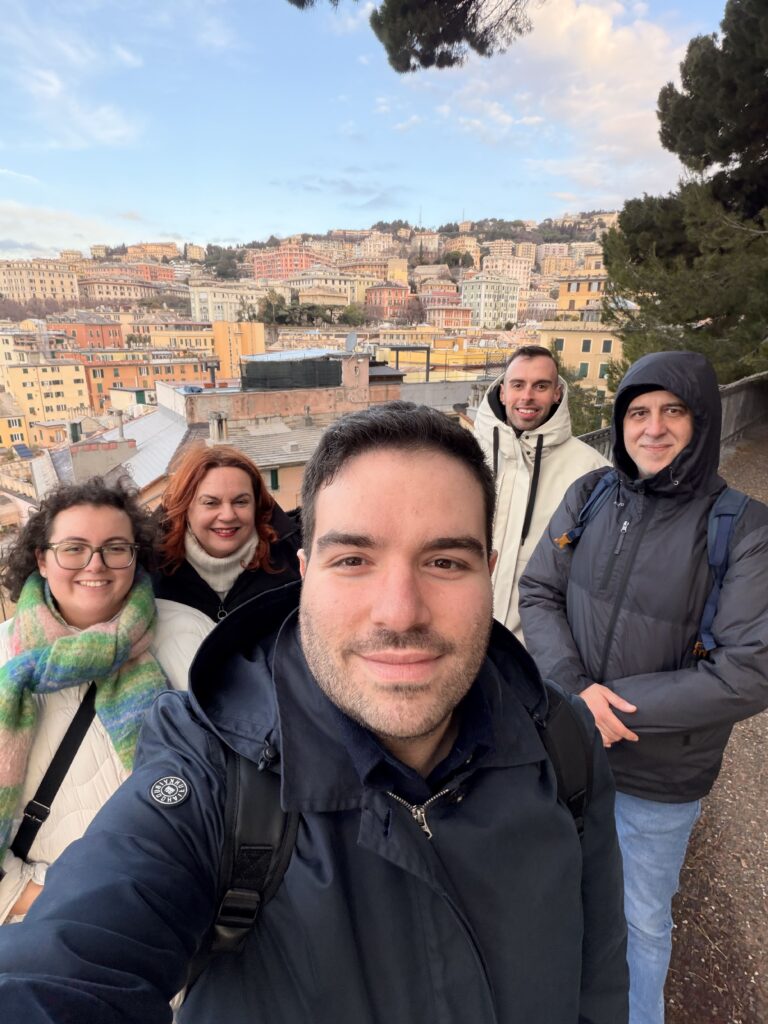
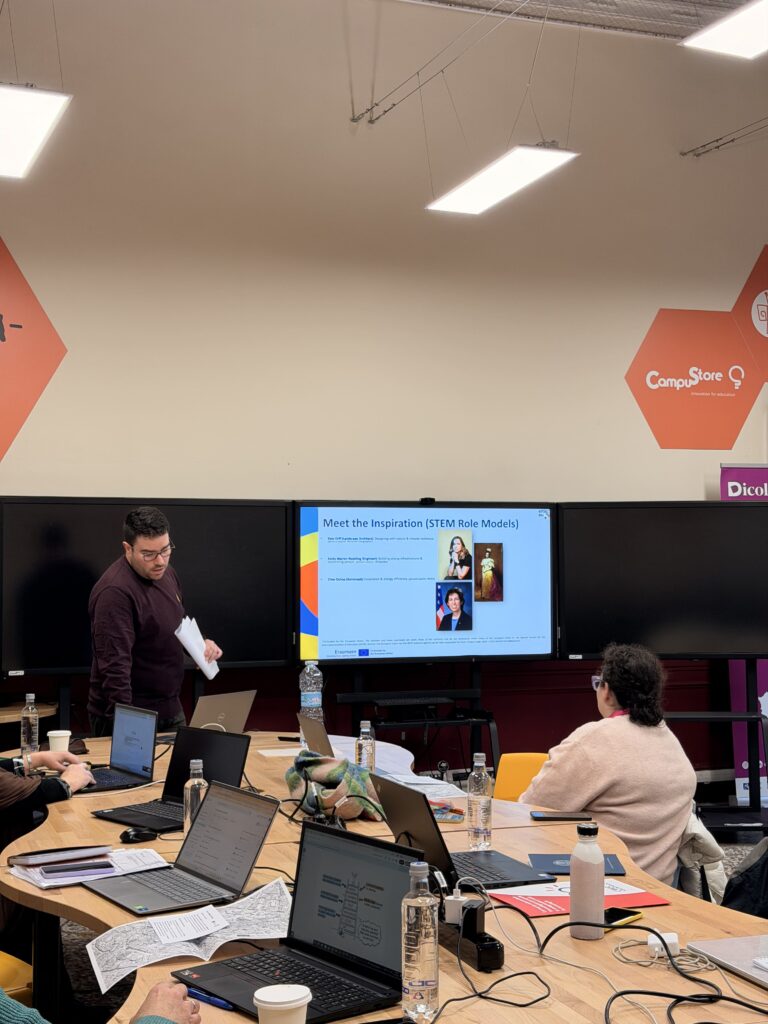
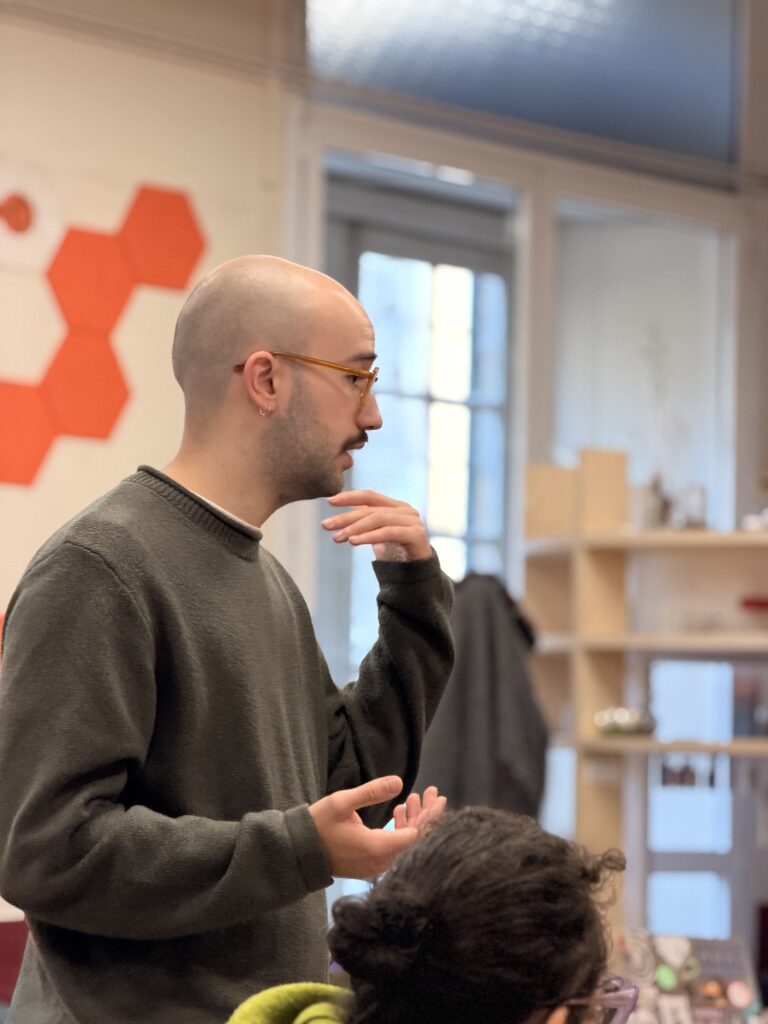
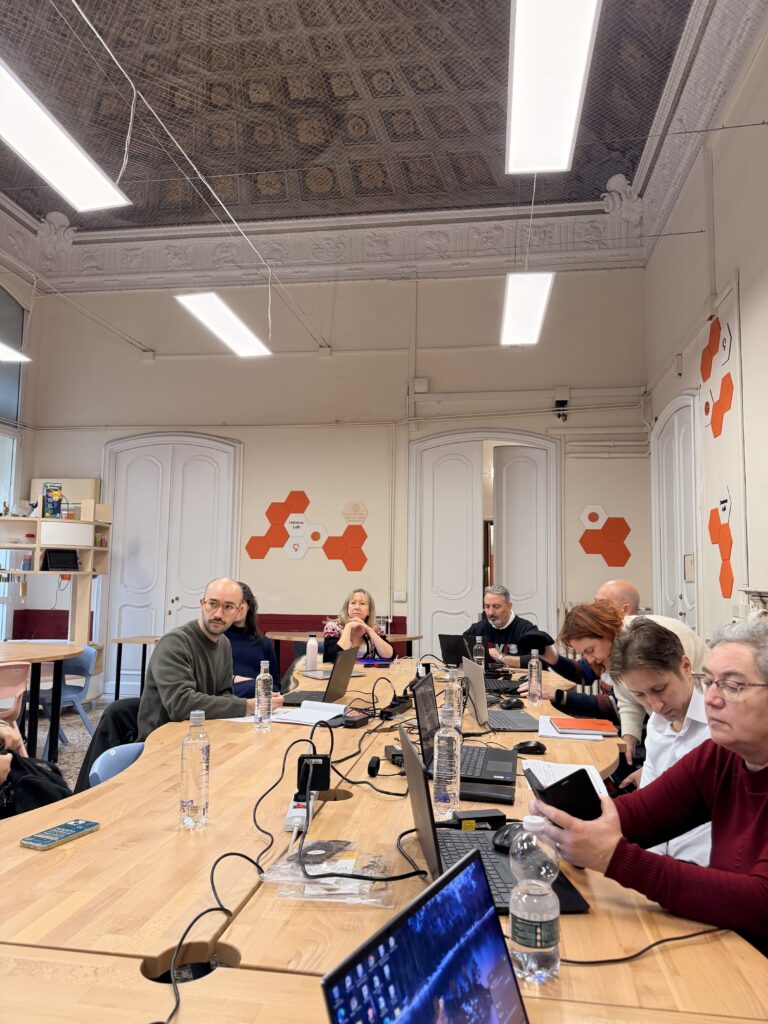
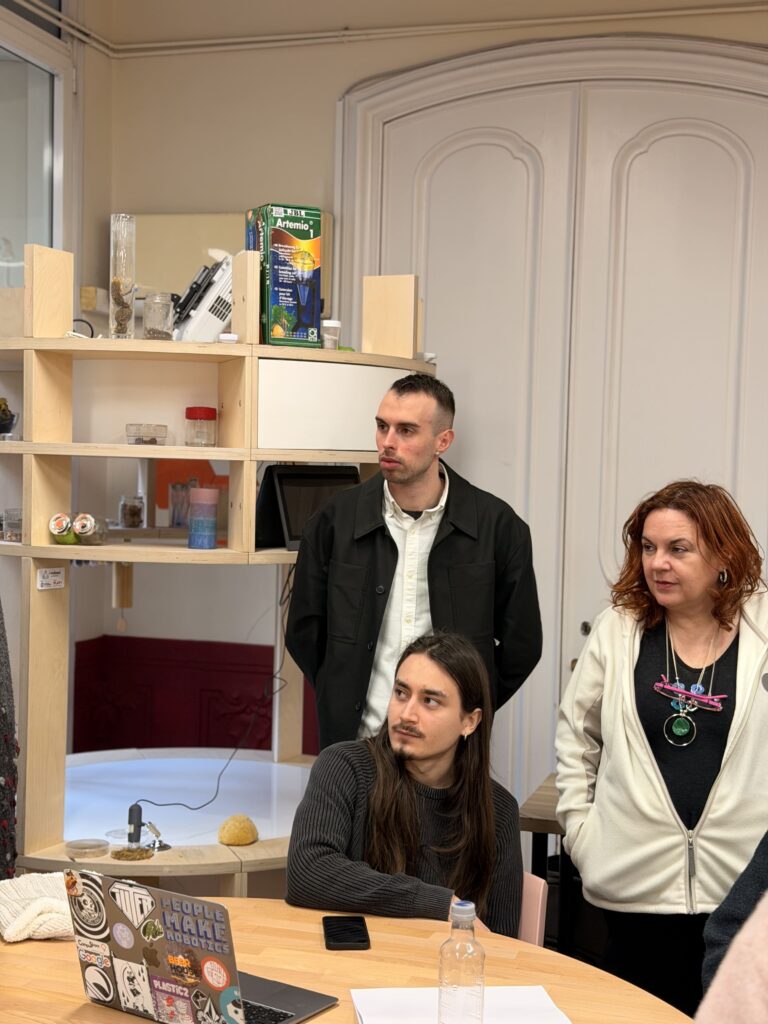
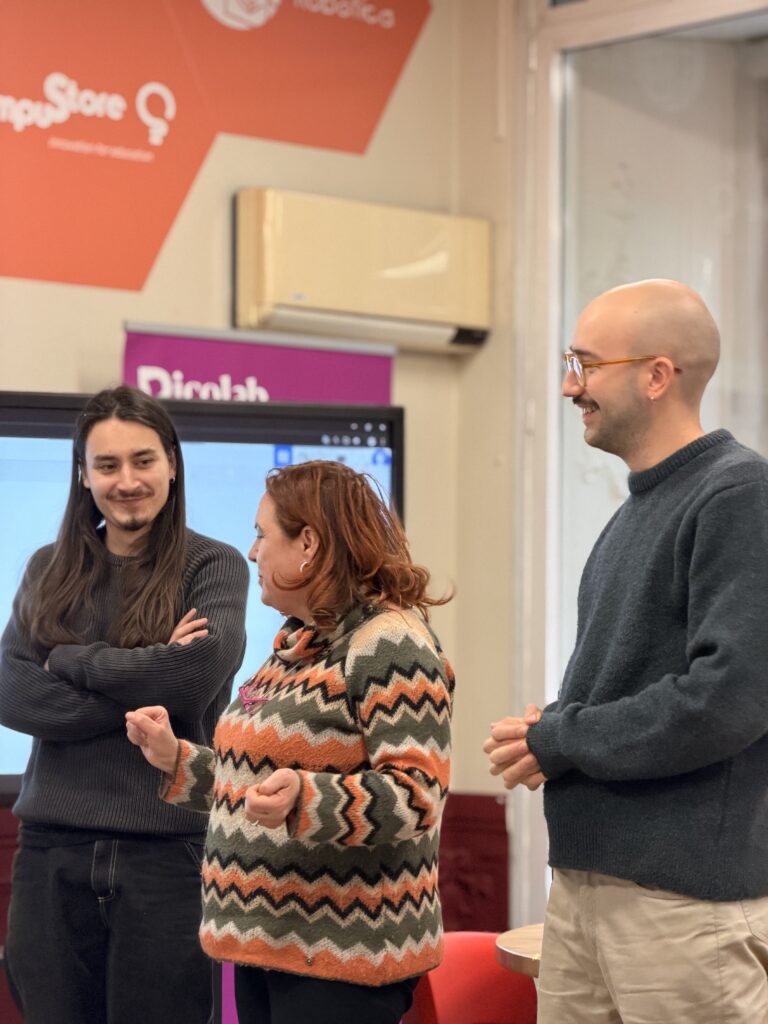
With a mission to bridge the gender gap in science and spark innovation in education, the EduQuest team successfully completed its training expedition in Genoa, Italy. Hosted at the Scuola di Robotica, a European center of excellence, this initiative was part of the EITIC-EU project.
Joined by partners from Italy, Spain, and Greece (including the 1st EPAL of Ymittos), we focused on mastering new methodologies that blend Science, Technology, Engineering, Arts, and Mathematics (STEAM).
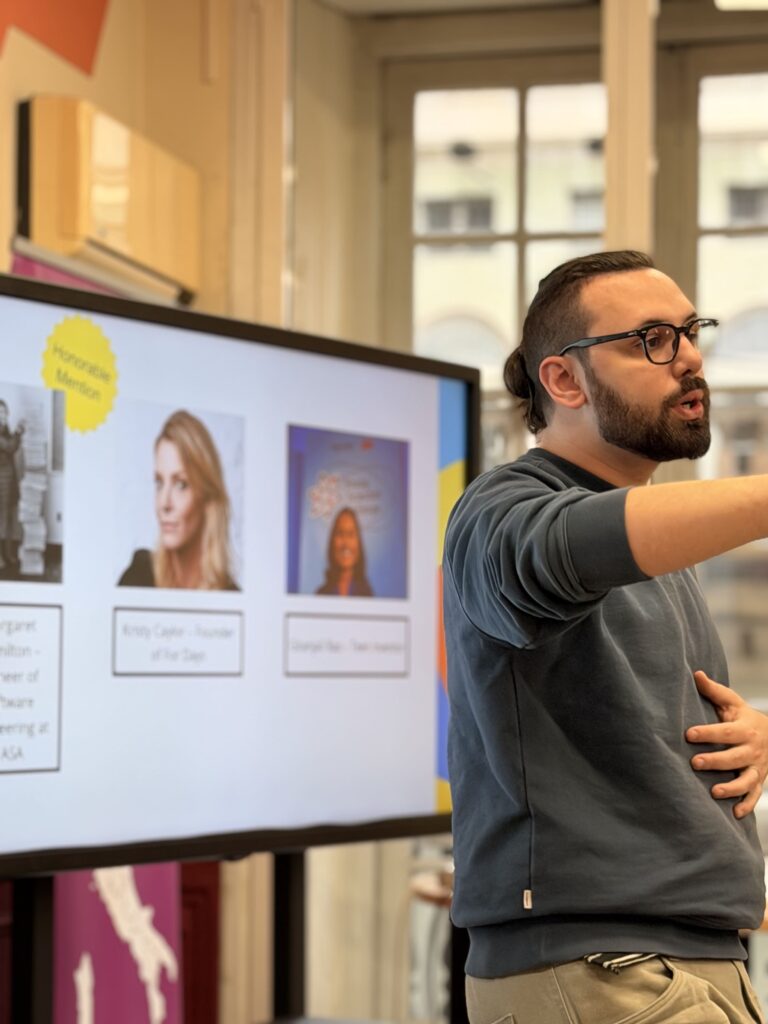
A core pillar of the program was highlighting iconic women as role models. Participants learned how to weave the stories of pioneers like astronaut Ellen Ochoa, computer scientist Grace Hopper, and urbanist Jane Jacobs into their teaching. Through workshops like the “Grace Hopper Debug Dash”, we explored ways to inspire girls to claim their space in traditionally male-dominated fields.
Learning by Doing The program went far beyond theory, featuring intensive, hands-on workshops such as:
- “Pitch Perfect Planet”: Building skills to present environmental solutions.
- “Mission Possible”: Solving complex problems using technology.
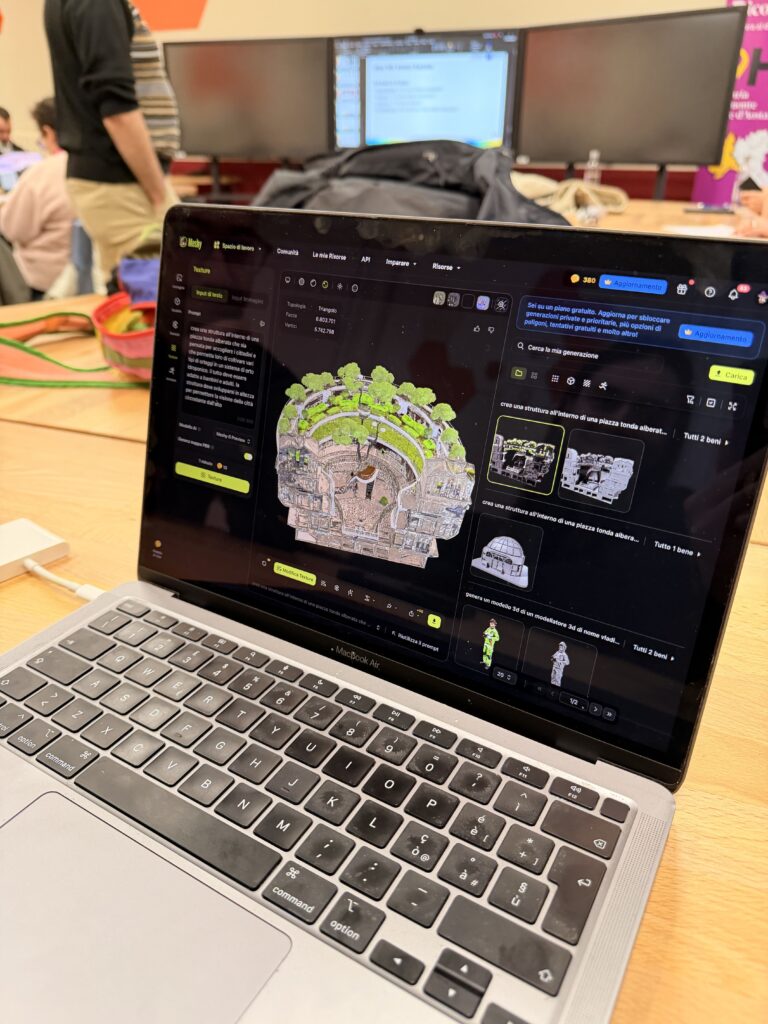
- “Dream Up Your City Block”: Modeling urban interventions based on inclusion and sustainability.
Naoussa as a Case Study: Green Design & Inclusion In the practical segment of the “Dream Up Your City Block” workshop, Naoussa—and specifically its central square—served as the primary case study. Recognizing local climate conditions (intense sunshine, air currents), our working groups developed proposals along two key axes:
- Greening & Microclimate: Inspired by Kate Orff’s philosophy of “designing with nature,” we proposed transforming the square into a friendlier ecosystem. Ideas included creating natural shading zones with trees (“playground under the trees”) to lower temperatures and make the space more accessible and pleasant, especially during the hot summer months.
- Accessibility Without Exclusions: Guided by Jane Jacobs’ vision for lively and safe neighborhoods, we prioritized the movement of people with disabilities. We proposed gentle interventions to slow down vehicle traffic and create safe pathways for pedestrians, ensuring the city is welcoming to the elderly, parents with strollers, and those with mobility challenges.
EduQuest is committed to bringing this knowledge back to the educational community of Naousa with a dual purpose: to inspire more girls to pursue science and technology, and to teach students how to design solutions with empathy. For us, a “smart city” isn’t just digital; it is a city that respects the environment and, above all, has room for everyone, without exclusions.