
EduQuest conducted interviews with elderly residents of Rodohori, Naousa, as part of the “We Grew Up Here” project. The aim of the initiative was to record oral histories, personal experiences, and local traditions that had not previously been documented, contributing to the preservation and transmission of the area’s intangible cultural heritage.
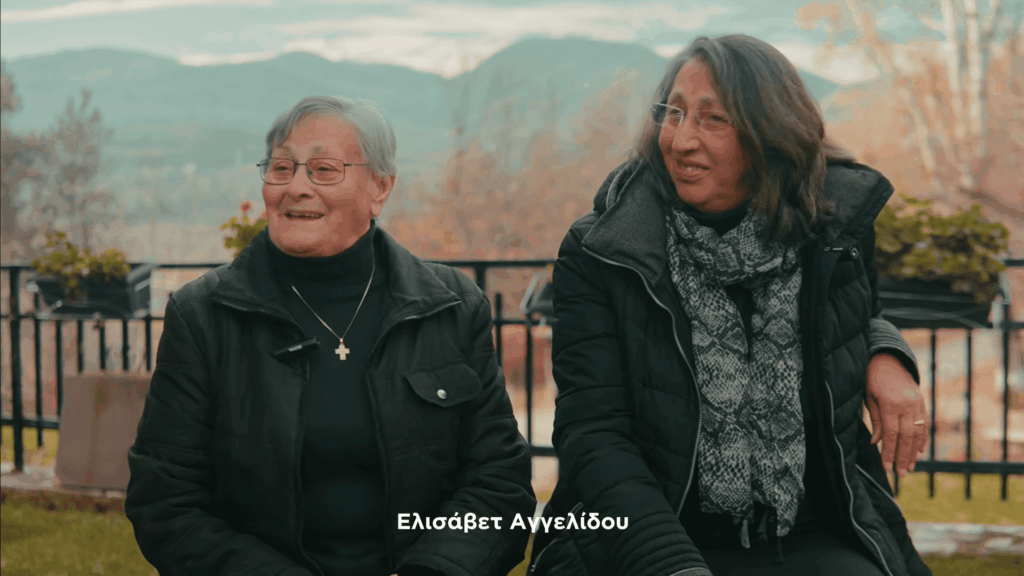
Through the interviews, two sisters, Elisavet Angelidou and Georgia Georgiadou, recall their childhood years in Rodohori and speak about everyday life, family relationships, and the local customs of another era. At the same time, they share a meaningful message with younger generations, encouraging them to learn about the history of their homeland and not to forget their roots.
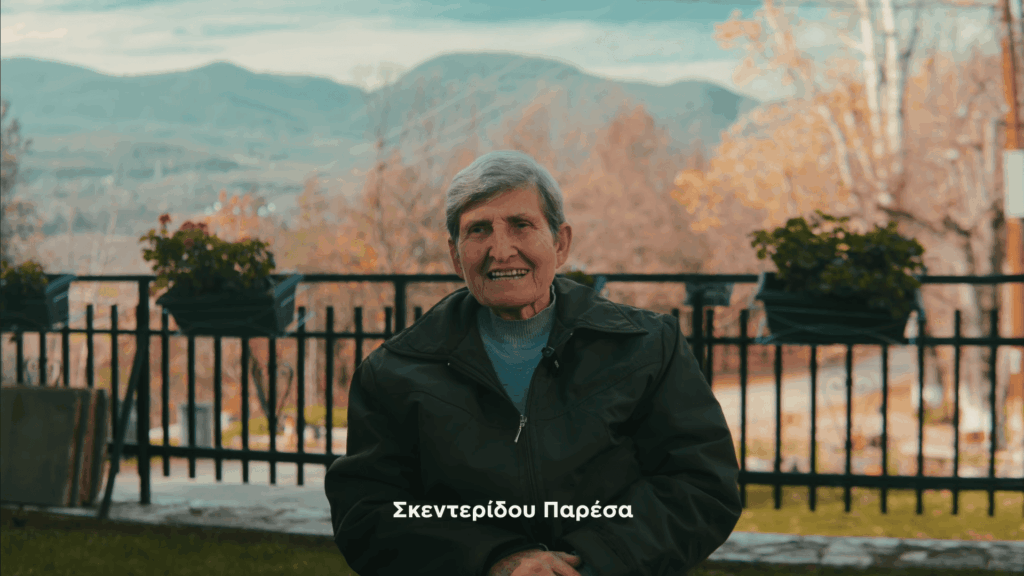
Paresa Skenteridou recounts the hardships of displacement and shares memories connected to the collective experience of Pontic Hellenism. Her account also presents traditional Pontic customs surrounding marriage and birth, highlighting the importance of historical memory and the intergenerational transmission of traditions.
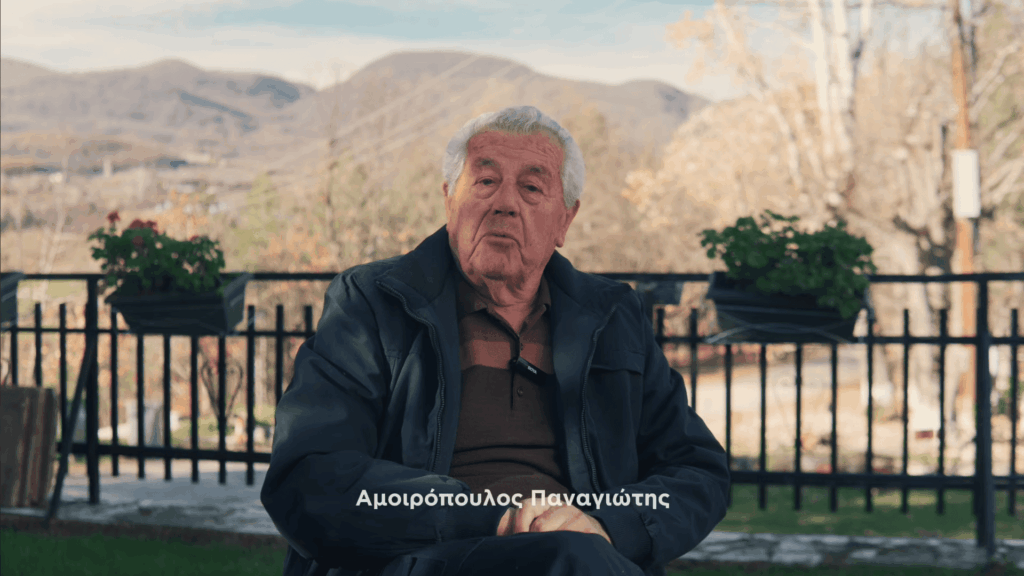
Panagiotis Amiropoulos presents the historical journey of Rodohori, from its establishment in 1923 and the destruction caused by the war to the reconstruction and economic prosperity of the local community. His testimony sheds light on important milestones in the village’s history through the perspective of people who either experienced these events themselves or inherited their memory from previous generations.
The project “Εδώ που μεγαλώσαμε – We Grew Up Here” is implemented by EduQuest and co-funded by the Ministry of Culture, as part of the “Creative Greece” programme. Its aim is to record, preserve, and share local stories of cultural heritage, creating a living archive of knowledge for present and future generations.
Watch the interview videos and discover the stories of the residents of Rodohori here.