
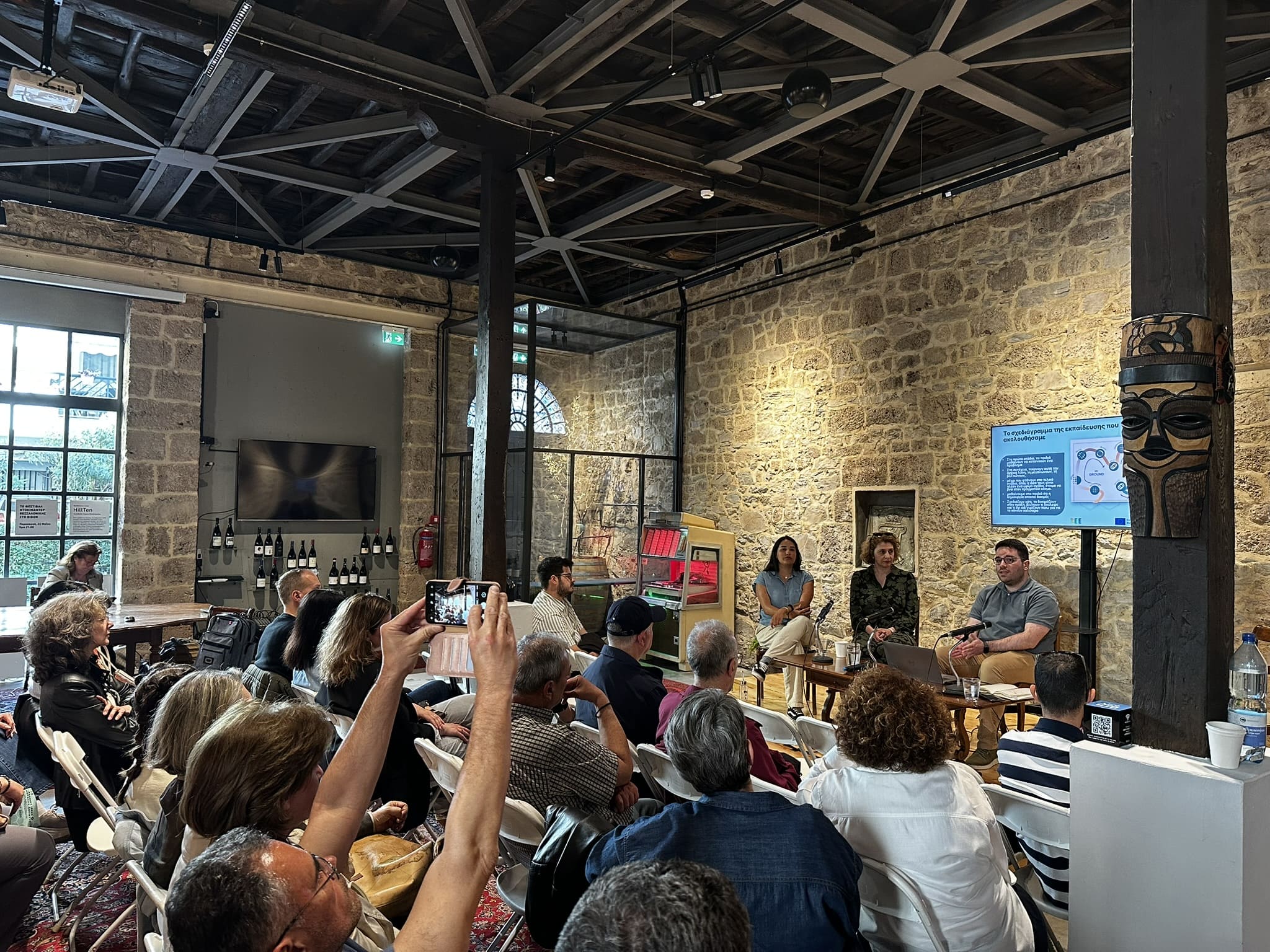
European project BEE: The youth of Naoussa city pave the way for the “green” businesses of the future
A special event by EduQuest took place in Naoussa on 12th May 2026, bringing youth entrepreneurship and sustainable development to the forefront. Citizens, educators, and representatives of European organizations gathered
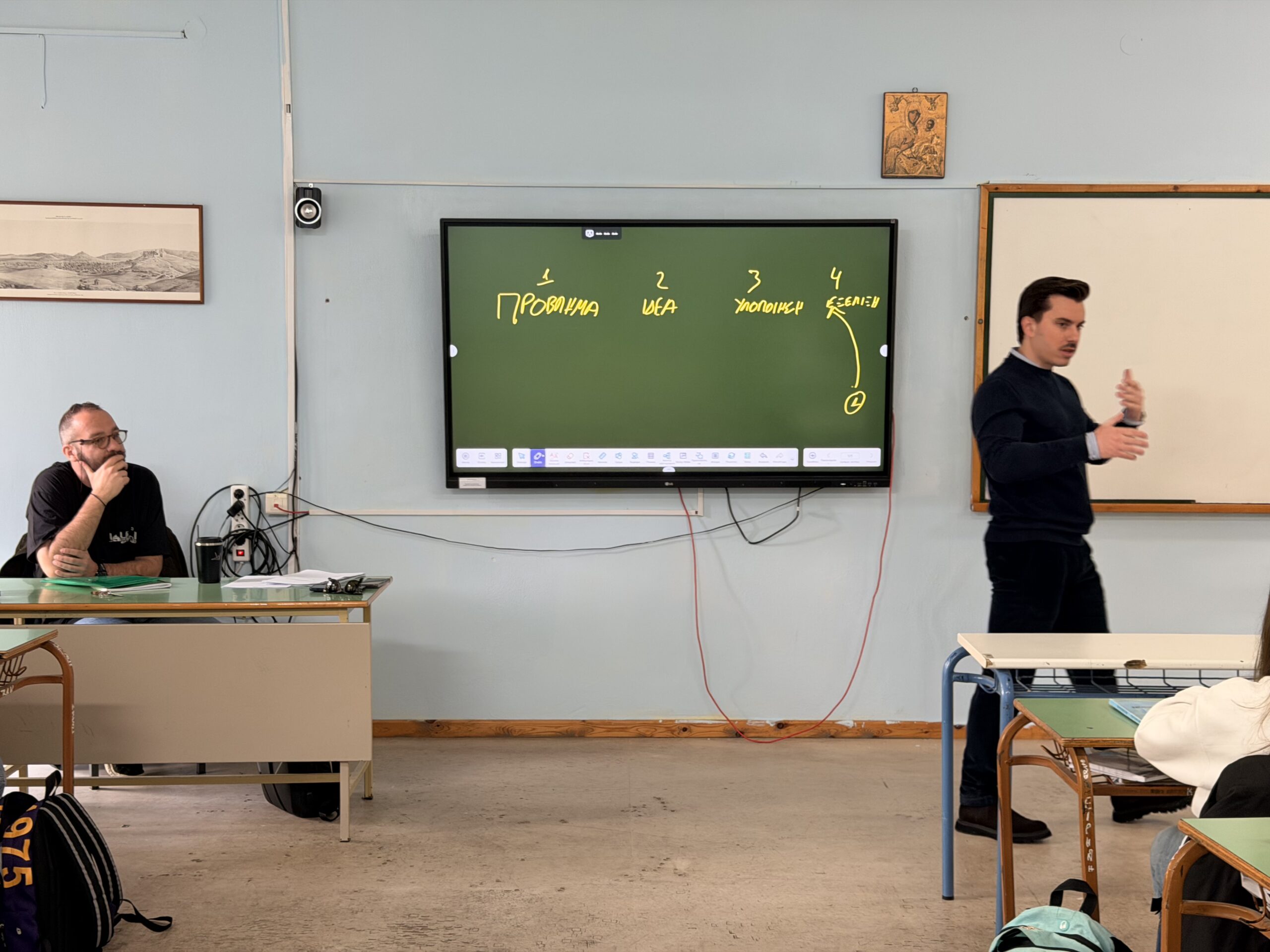
European Project BEE: From farm to innovation, with students redesigning local products from their territory
In the classrooms of the 1st General Lyceum of Naoussa, a group of students is proving that unemployment and labor migration are not the only options for young people.Through the
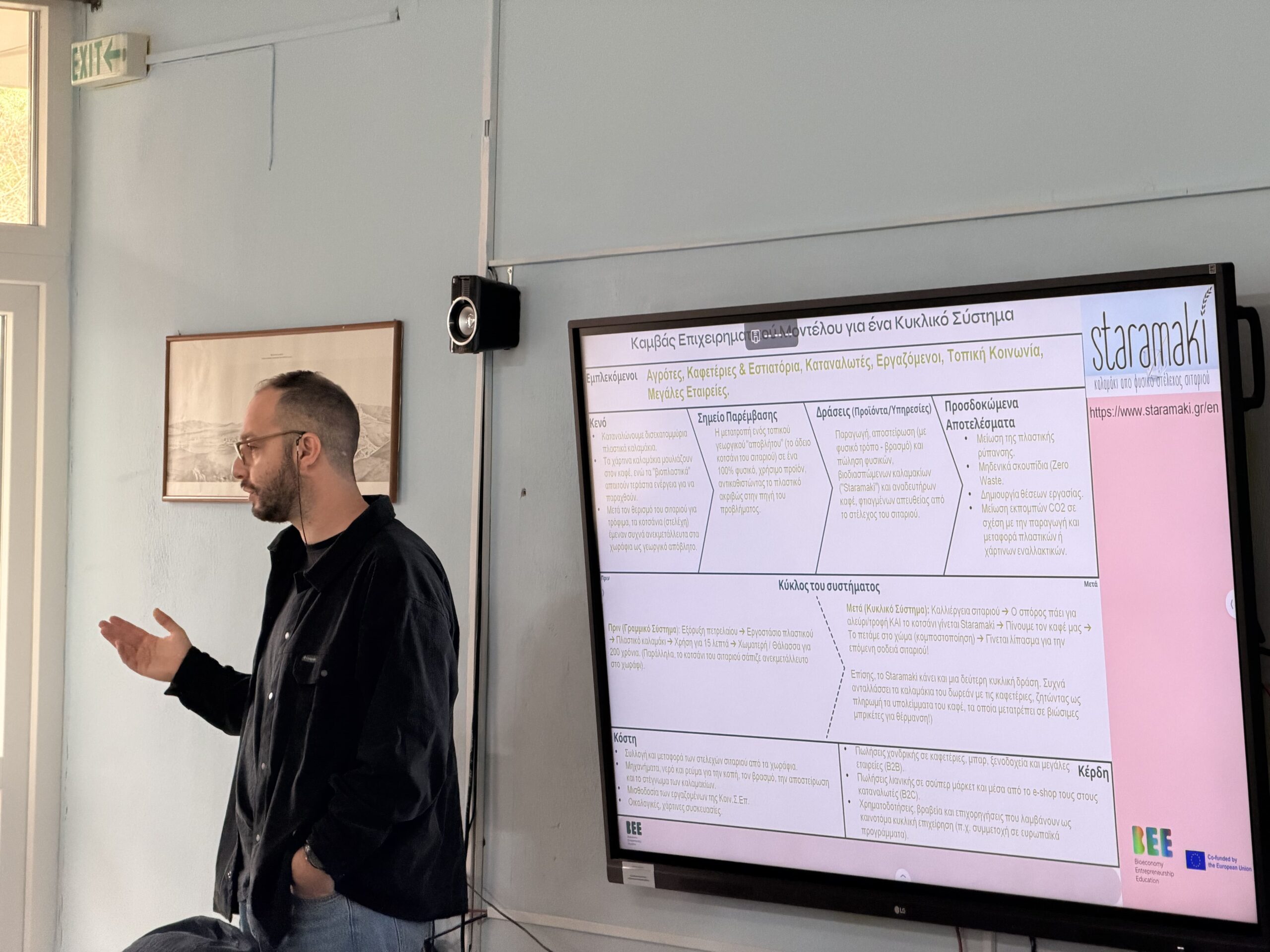
BEE project: High-school students design their own “green” businesses through the BEE Project
As part of the European initiative BEE (Bioeconomy Entrepreneurship Education), EduQuest successfully completed a series of educational activities at the 1st General High School of Naoussa, aiming to foster youth
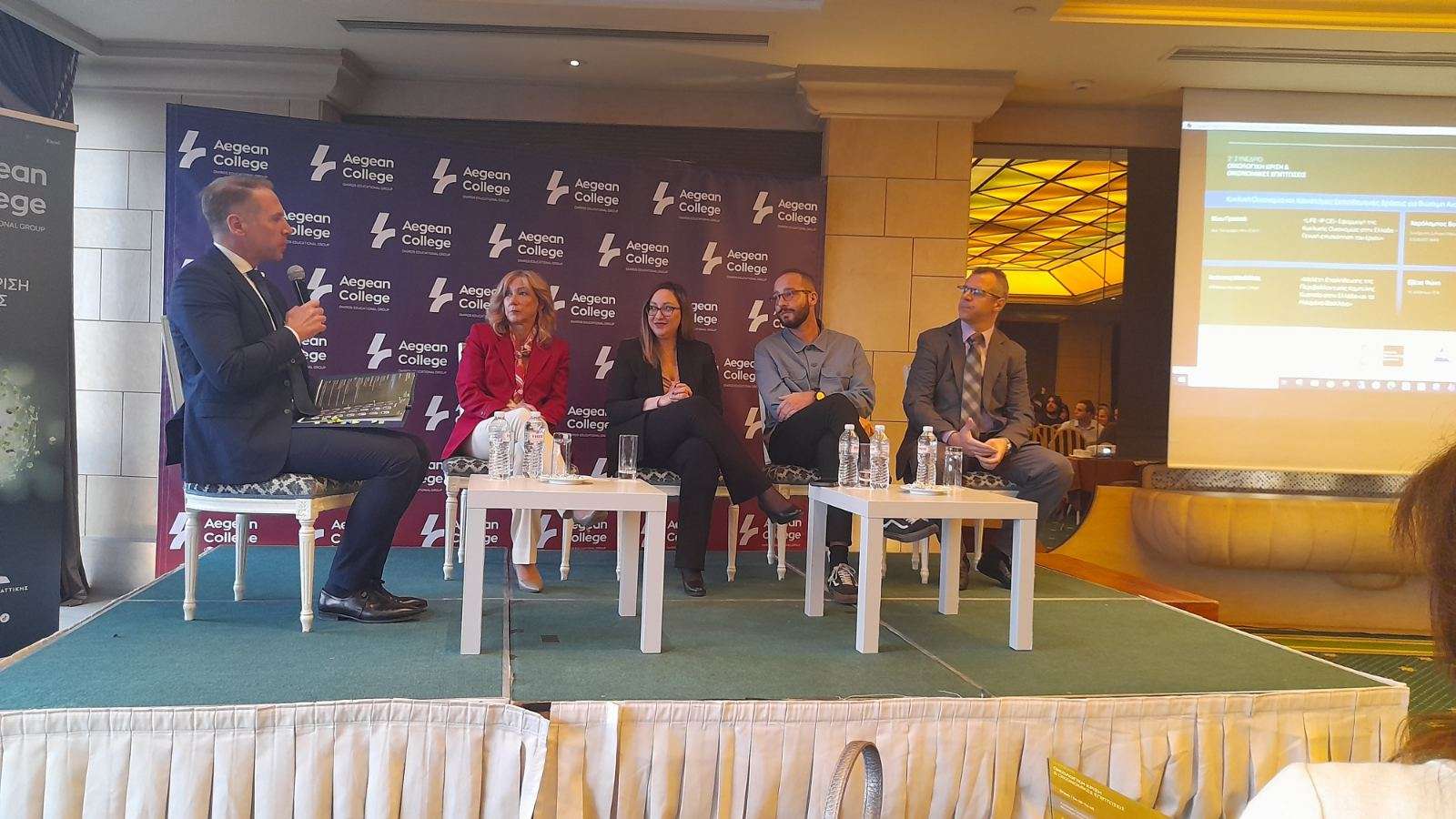
Presentation of Naoussa’s European Actions by EduQuest at the Aegean College Conference on “Ecological Crisis & Economic Impact”
Representatives of EduQuest traveled to Athens to present the educational initiatives implemented in Naoussa regarding the Circular Economy and the Bioeconomy. The 2nd conference “Ecological Crisis & Economic Impact: Adaptation,

Erasmus+ in Belgium: EduQuest and Naoussa schools continue their activities
The second meeting of the Erasmus+ program for the “BEE” (Bioeconomy and Entrepreneurship in Education) project was successfully held at the RHIZO1 school in Kortrijk, Belgium. The meeting was attended
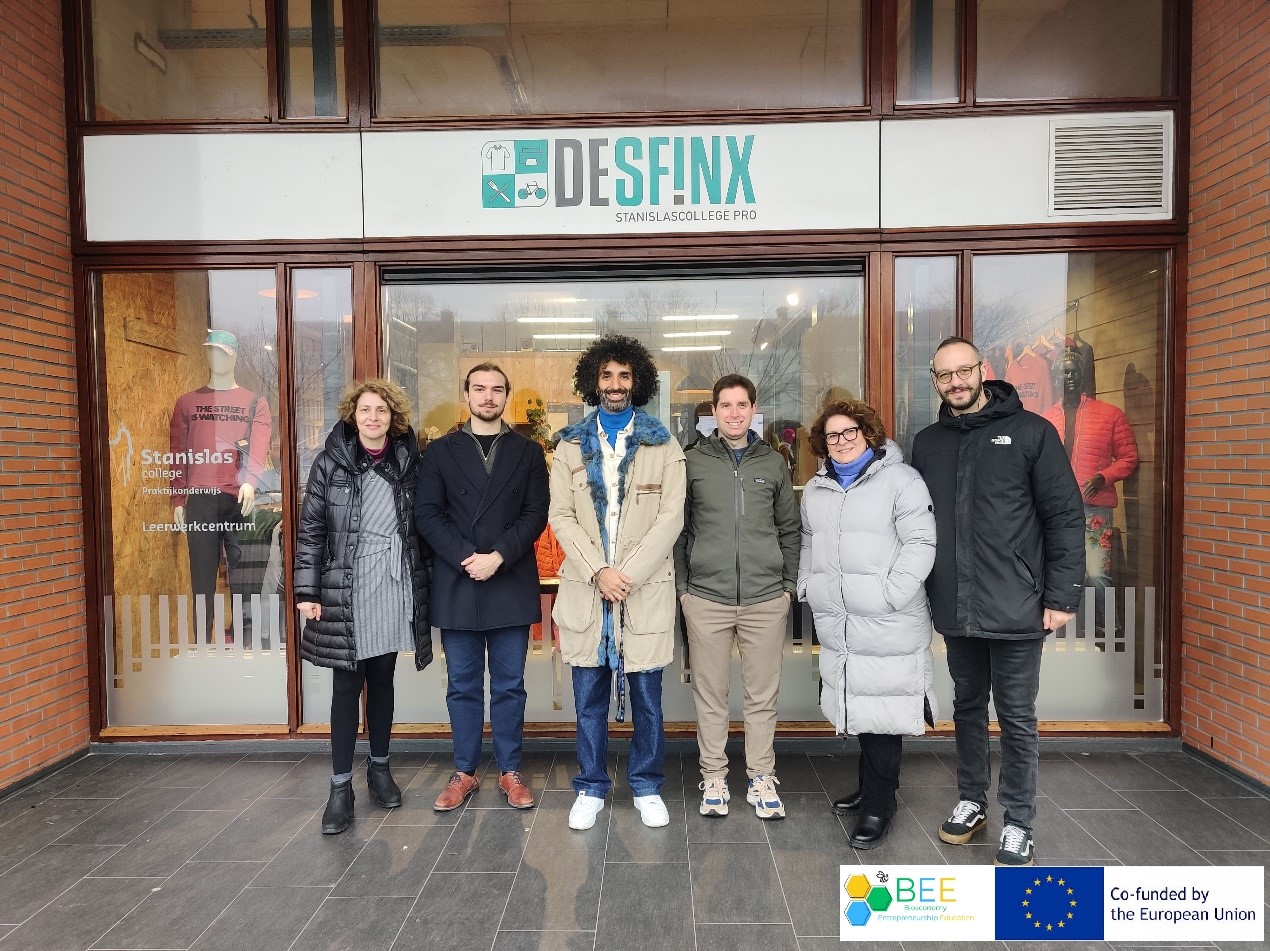
BEE: Preparatory Erasmus+ Meeting in the Netherlands
Preparatory Erasmus+ Meeting in the Netherlands: Collaboration on Bioeconomy and Entrepreneurship in Education The preparatory meeting for the “BEE” (Bioeconomy and Entrepreneurship in Education) initiative was successfully held from January
New Erasmus+ project in Naoussa on bioeconomy and entrepreneurship for high school students
In October 2025, a new project was launched in Naoussa entitled “BEE- BIOECONOMY ENTREPRENEURSHIP EDUCATION (BEE),” which is co-funded by the Erasmus+ Program in the category of Small-Scale Projects in